Health tips for Aussie tradies from a workplace doctor
A tradie’s health is their wealth. Dr. Farhan Shahzad explores the top tips for the building and construction industry to build healthy habits throughout the year.
A new year on the tools is a great opportunity to reset your routines, look after your health, and set yourself up for a strong and productive year ahead.
As an occupational and environmental physician, also known as a workplace doctor, who works closely with tradies across Australia, I see how quickly long hours, physical strain, heat, poor sleep and stress can creep in once work ramps back up after the holidays.
The start of the year is the perfect time to focus on the habits that protect your body, your energy, and your long-term wellbeing.
First and foremost, your body is your number-one tool. It sounds cliché, but it is true.
Lifting, climbing, twisting and repetition all put strain on your back, shoulders, knees and hands. Small aches early in the year often turn into chronic injuries later, especially if they’re ignored and left untreated.
Taking a few minutes to warm up before work, using good lifting technique, avoiding twisting with heavy loads and asking for help when something is too heavy aren’t signs of weakness. Taking shortcuts may be the easy option, but your body can pay if you don’t commit to doing things properly. If pain, numbness or swelling hang around, don’t “push through it” for weeks.
Early treatment can prevent time off the tools and protect your long-term mobility.
What you eat and drink also plays a major role in how you perform throughout the day. Many tradies rely on servo food or energy drinks to get going in the morning, but these cause quick spikes and crashes that leave you flat by mid-morning. A better approach is steady energy: A breakfast with some protein, a decent lunch rather than junk food and simple snacks like fruit or yoghurt.
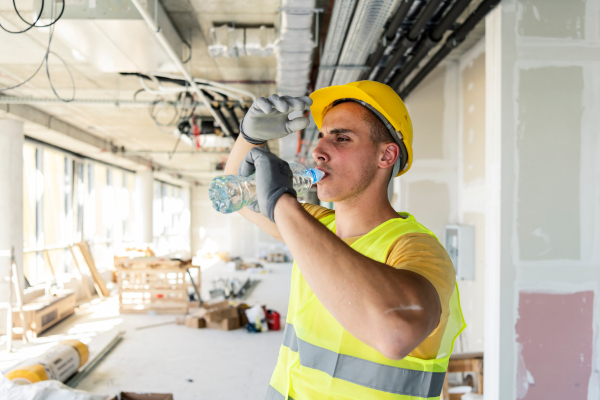
Hydration is especially critical in Australian summers. Dehydration leads to headaches, fatigue, dizziness and slower reaction times, which increases the risk of accidents on site. Keeping a water bottle handy and sipping regularly is one of the simplest safety measures you can take. Choose a stainless steel to keep your water cool and consider flavoured electrolytes if drinking pure water is difficult.
Some of the biggest health risks tradies face don’t cause pain straight away. Noise, sun, dust and chemicals do their damage slowly over time. Hearing loss from loud tools is permanent, so ear protection should be as routine as boots and gloves.
Likewise, long-term sun exposure dramatically increases the risk of skin cancer, with two-thirds of Aussies getting diagnosed with skin cancer by the age of 70, according to the Cancer Council, making hats, long sleeves, sunglasses and SPF 50+ sunscreen essential.
If you’re working around dust, silica, fumes or solvents, respiratory protection and safe work procedures are critical. These habits aren’t about ticking compliance boxes; they’re about staying healthy enough to keep working and enjoying life well into the future. Some dust inhalation can even be fatal, so ensuring safe working conditions is critical for your overall health and wellbeing.
Another area many tradies underestimate is sleep. Early starts, long commutes and irregular shifts mean a lot of workers run on sleep debt, and that affects concentration, coordination, mood and reaction time. Aim for as close to seven or eight hours as you can, keep a regular sleep routine when possible, ease off screens late at night to avoid disruptive blue light, and go easy on alcohol during the working week.
If you snore heavily, stop breathing in your sleep or wake up feeling exhausted despite a full night’s rest, talk to your GP, as sleep apnoea is common in physically built workers and is both diagnosable and treatable.
Mental health is just as important as physical health, even though it’s often harder to talk about. Work pressures, finances, fatigue, and family stress can weigh heavily, and many tradies feel they need to tough it out. Signs like irritability, poor sleep, loss of motivation, withdrawal from others or increasing reliance on alcohol can be early warnings that support is needed. Reaching out, to a mate, partner, doctor, counsellor or services such as MATES in Construction or Lifeline, is a strength, not a failure. Getting help early prevents problems from snowballing and protects your relationships, your work performance, and your wellbeing.
Starting the year strong isn’t about working harder or pushing through pain; it’s about pacing yourself, building sustainable habits, and protecting the body and mind that your livelihood depends on. Look after your health the same way you look after your tools.

 Acknowledgement Of Country